Behind the Iron Curtain

East German, Soviet and Czechoslovak machines that were everyday transportation across the Eastern Bloc and are now the stars of any car show.
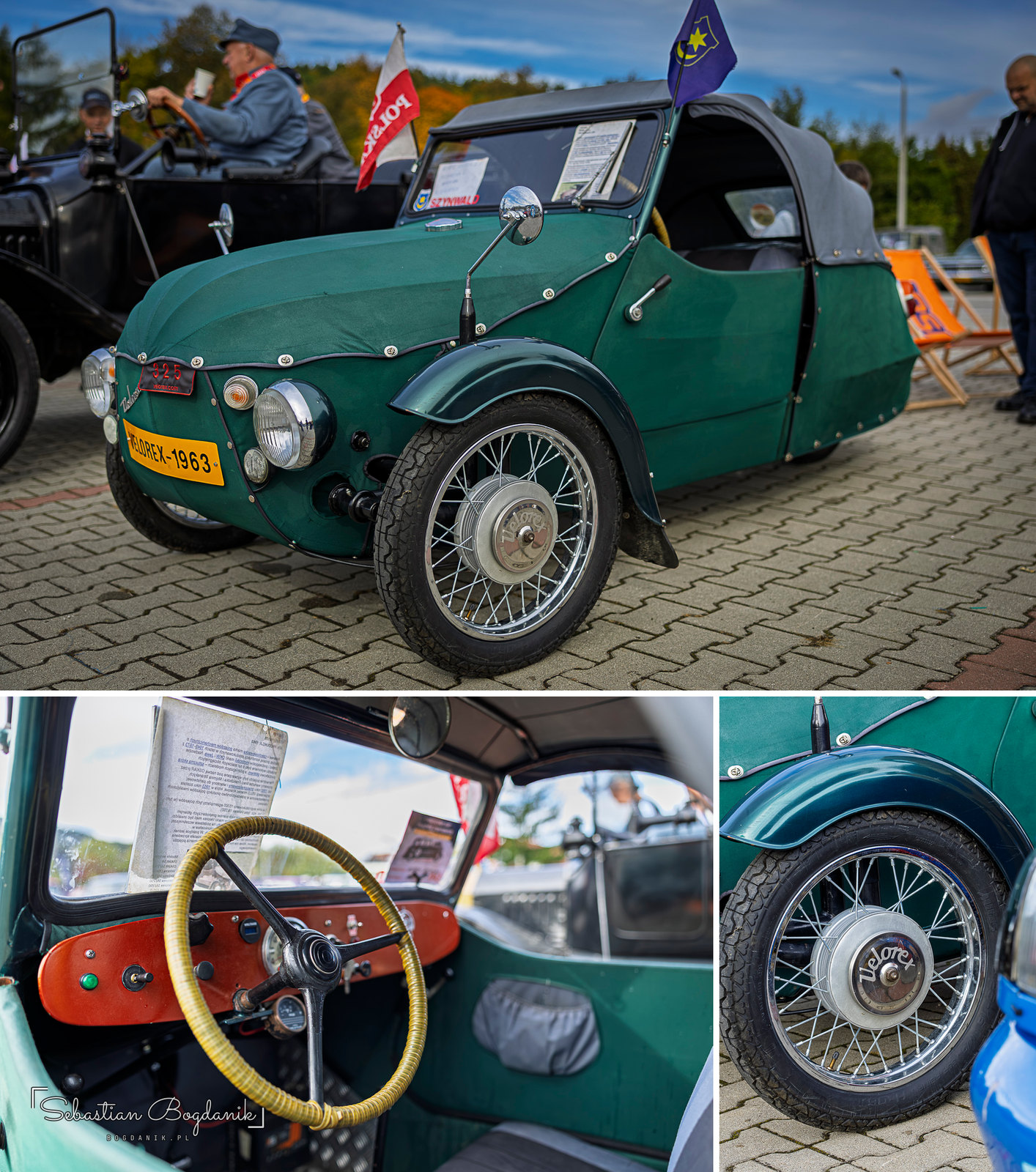
The Velorex, a Czechoslovak three-wheeler dreamed up during World War II by the Stránský brothers in their bicycle repair shop
The Velorex, a Czechoslovak three-wheeler dreamed up during World War II by the Stránský brothers in their bicycle repair shop. The first prototype was called Oskar. Instead of sheet metal, the tube frame wore a skin of leatherette, and more than 15,000 were built. Think of it as a homemade Morgan with a vinyl jacket.
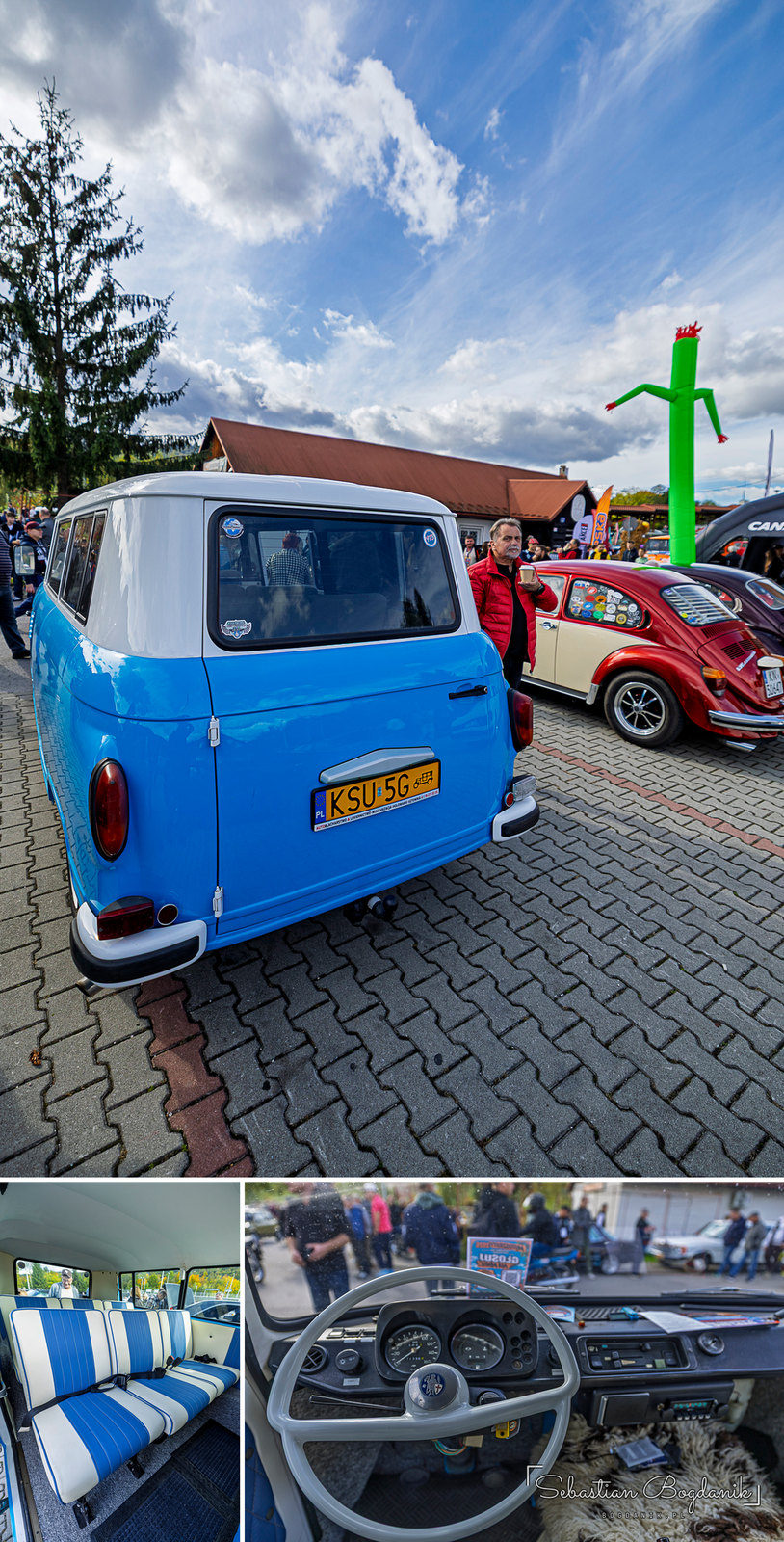
The Barkas B1000, East Germany’s minibus, built from 1961 to 1991
The Barkas B1000, East Germany’s minibus, built from 1961 to 1991. Its one-liter, three-cylinder two-stroke sits right in the cab between the driver and the passenger, so the heater is free. Front-wheel drive and independent suspension all around made it surprisingly modern for a 1960s van. Owner: Jan Spytkowski.
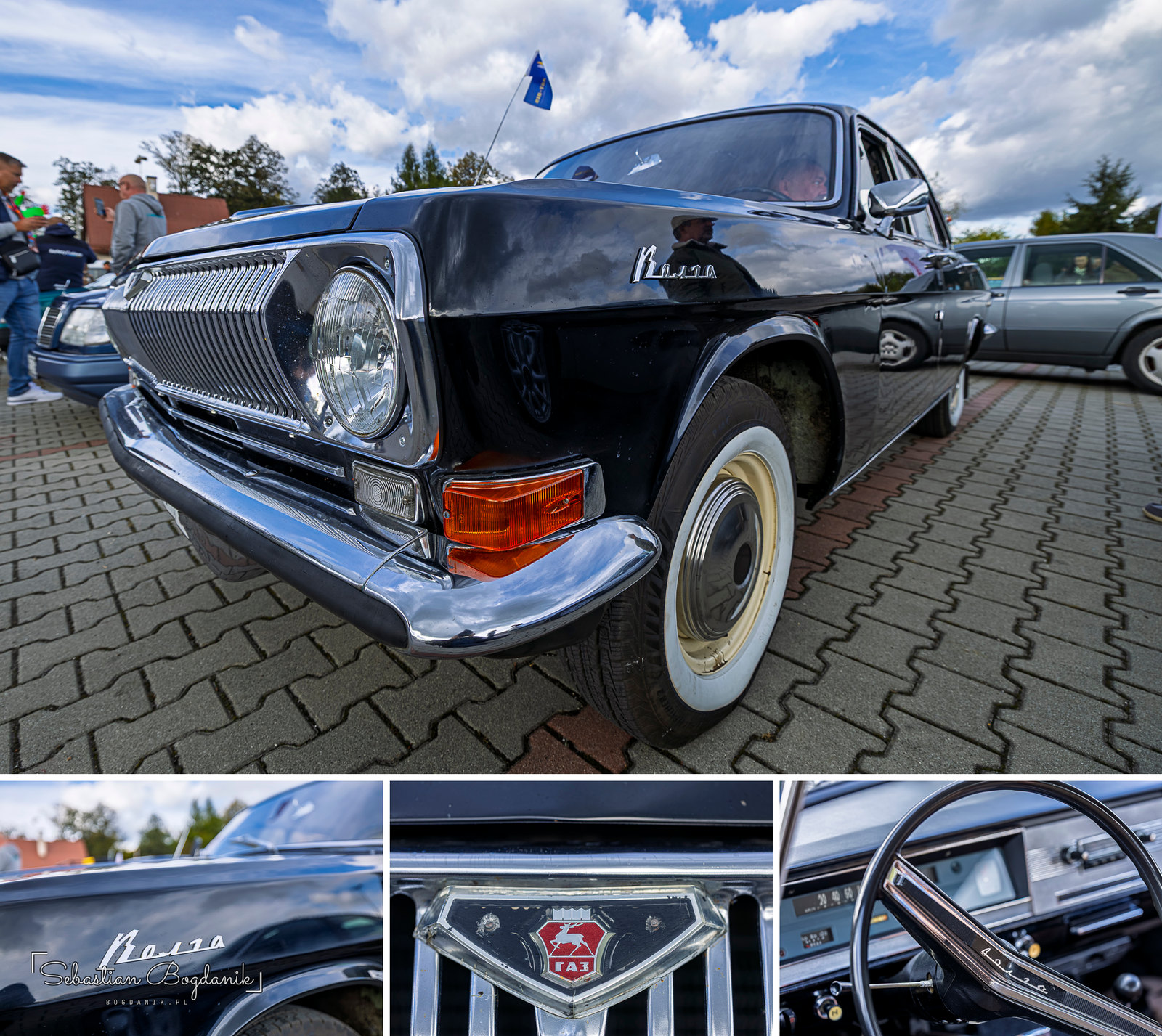
The GAZ-24 Volga, the Soviet Union’s executive sedan and taxi
The GAZ-24 Volga, the Soviet Union’s executive sedan and taxi. The KGB ordered a special version, the GAZ-24-24, with a 5.5-liter V8 from the Chaika limousine and an automatic gearbox disguised to look like a manual. On the outside, a gray cab. Underneath, a pursuit car built to keep up with Western diplomats. Russians called them “catch-up cars.” A sleeper before sleepers were cool.
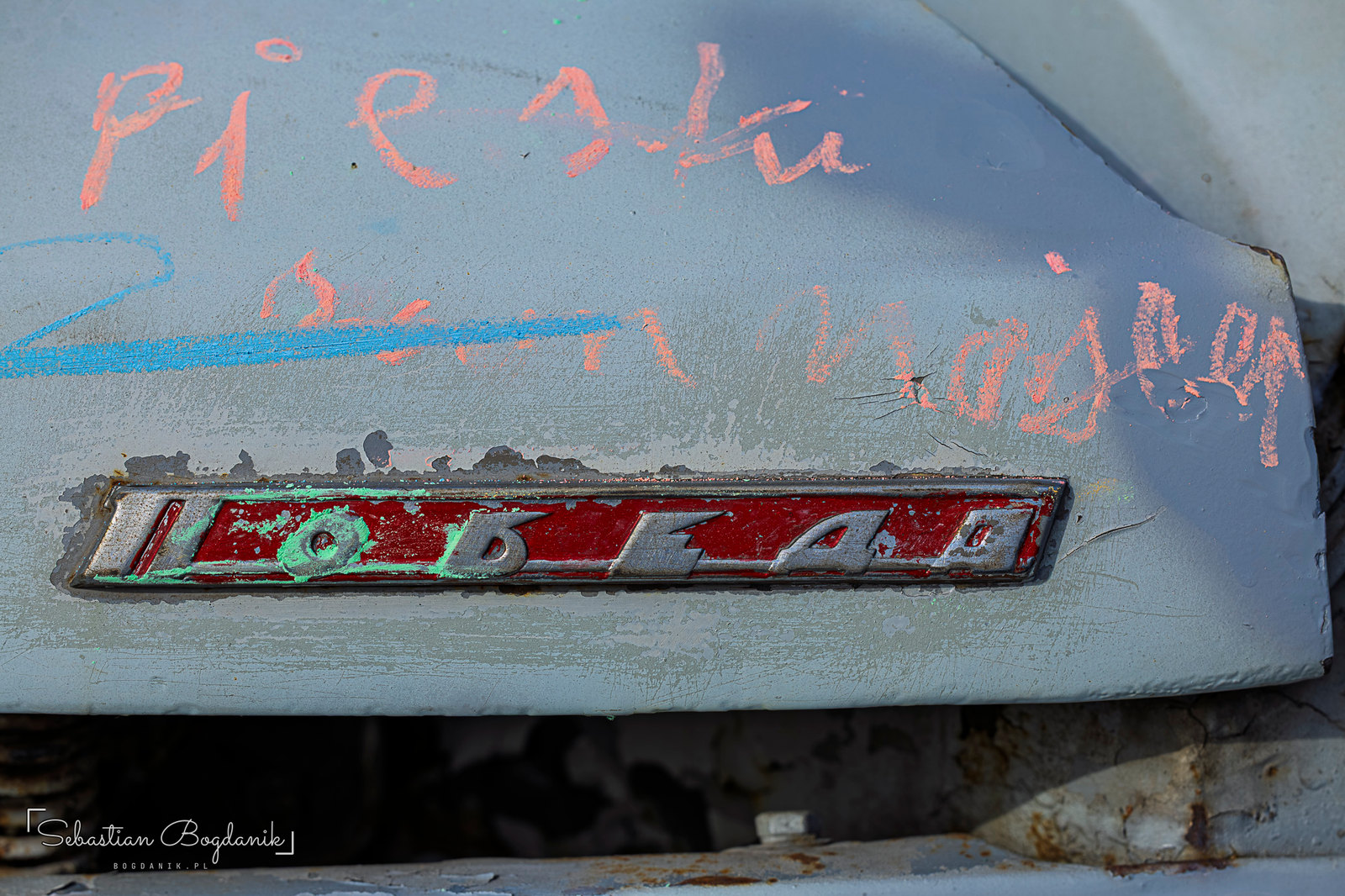
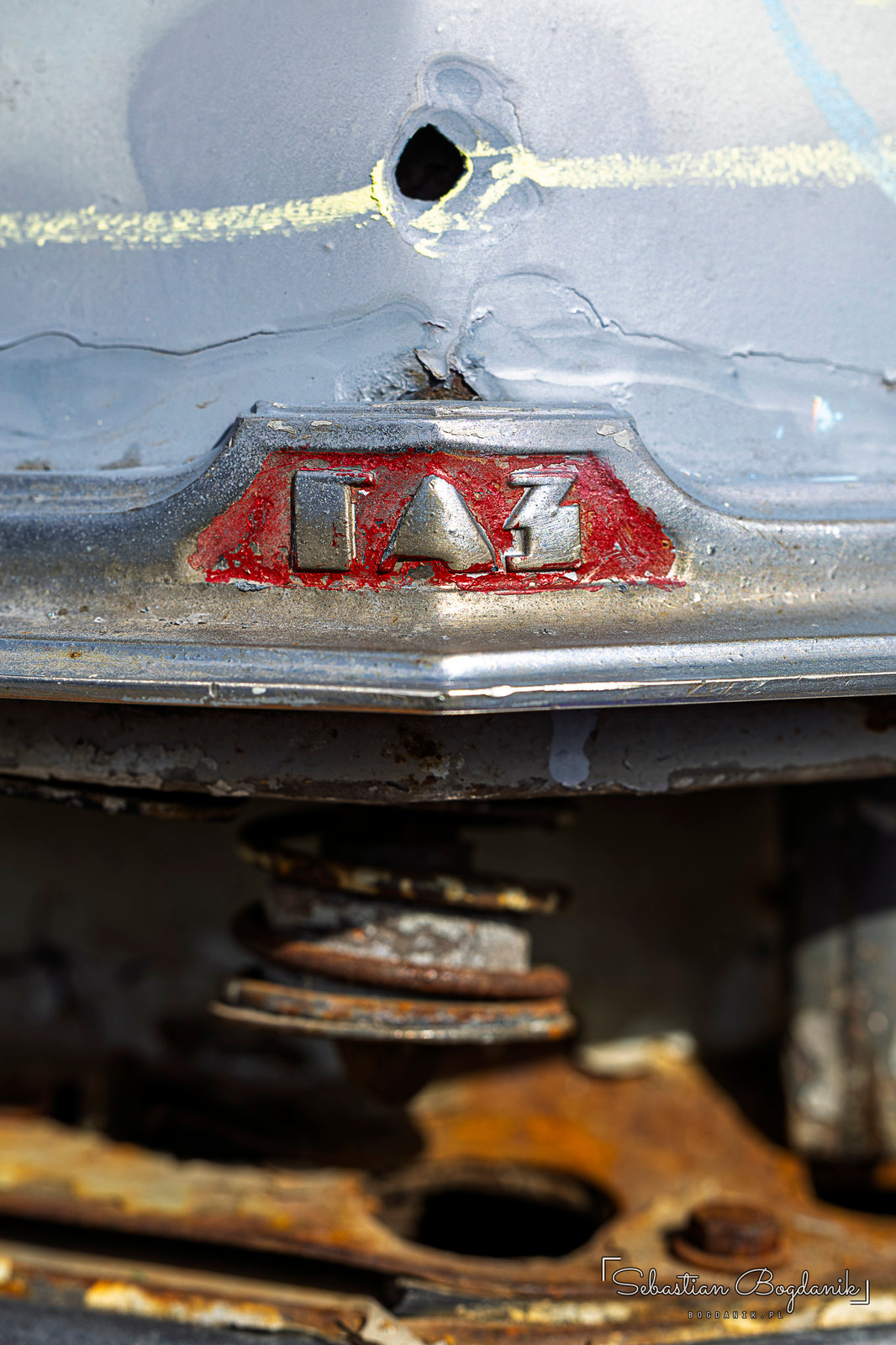
The Pobeda up close: the Cyrillic name means “Victory,” next to a well-weathered GAZ badge (1/2)
The Pobeda up close: the Cyrillic name means “Victory,” next to a well-weathered GAZ badge (2/2)
The Pobeda up close: the Cyrillic name means “Victory,” next to a well-weathered GAZ badge. Legend has it the car was first going to be called Rodina, “Motherland,” until Stalin asked how much they planned to sell the motherland for.
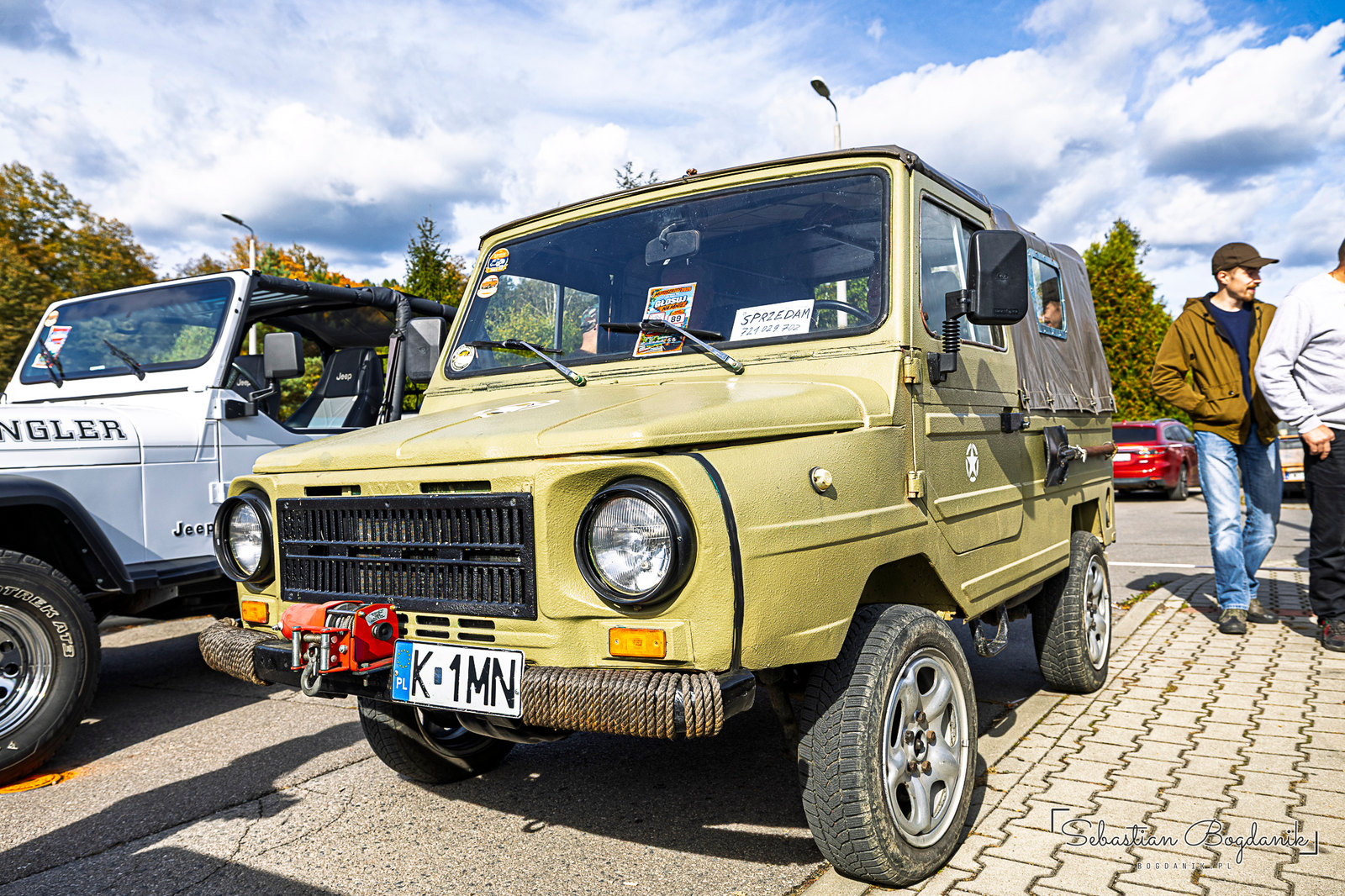
The LuAZ-969M Volyn from Lutsk in Ukraine, a civilian cousin of an amphibious military carrier (1/2)
The LuAZ-969M Volyn from Lutsk in Ukraine, a civilian cousin of an amphibious military carrier (2/2)
The LuAZ-969M Volyn from Lutsk in Ukraine, a civilian cousin of an amphibious military carrier. It can’t swim, but with its high ground clearance it laughs at mud. Its predecessor was the first Soviet production car with front-wheel drive. This one is looking for a new home: the sign in the window says “FOR SALE.”
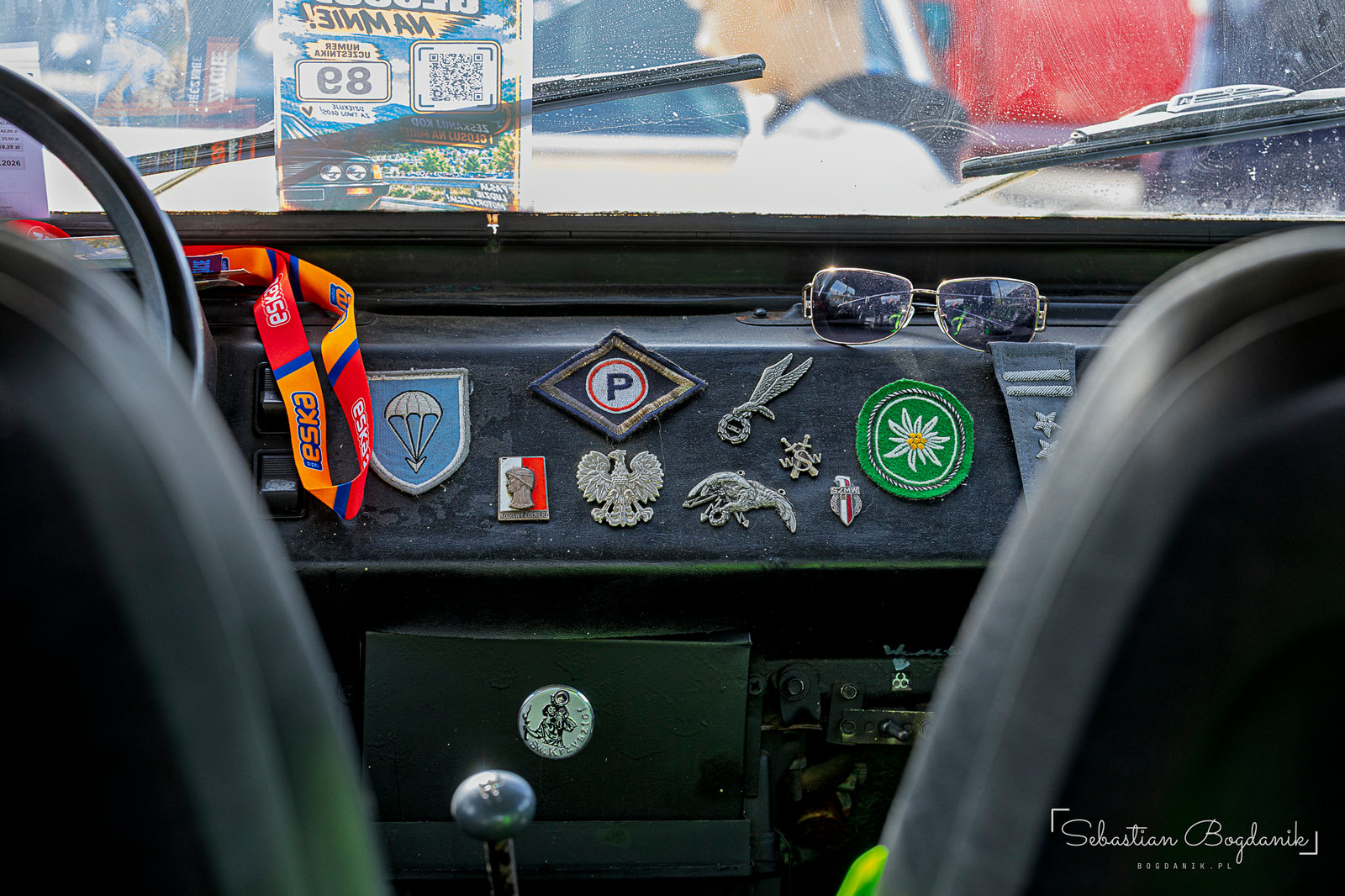
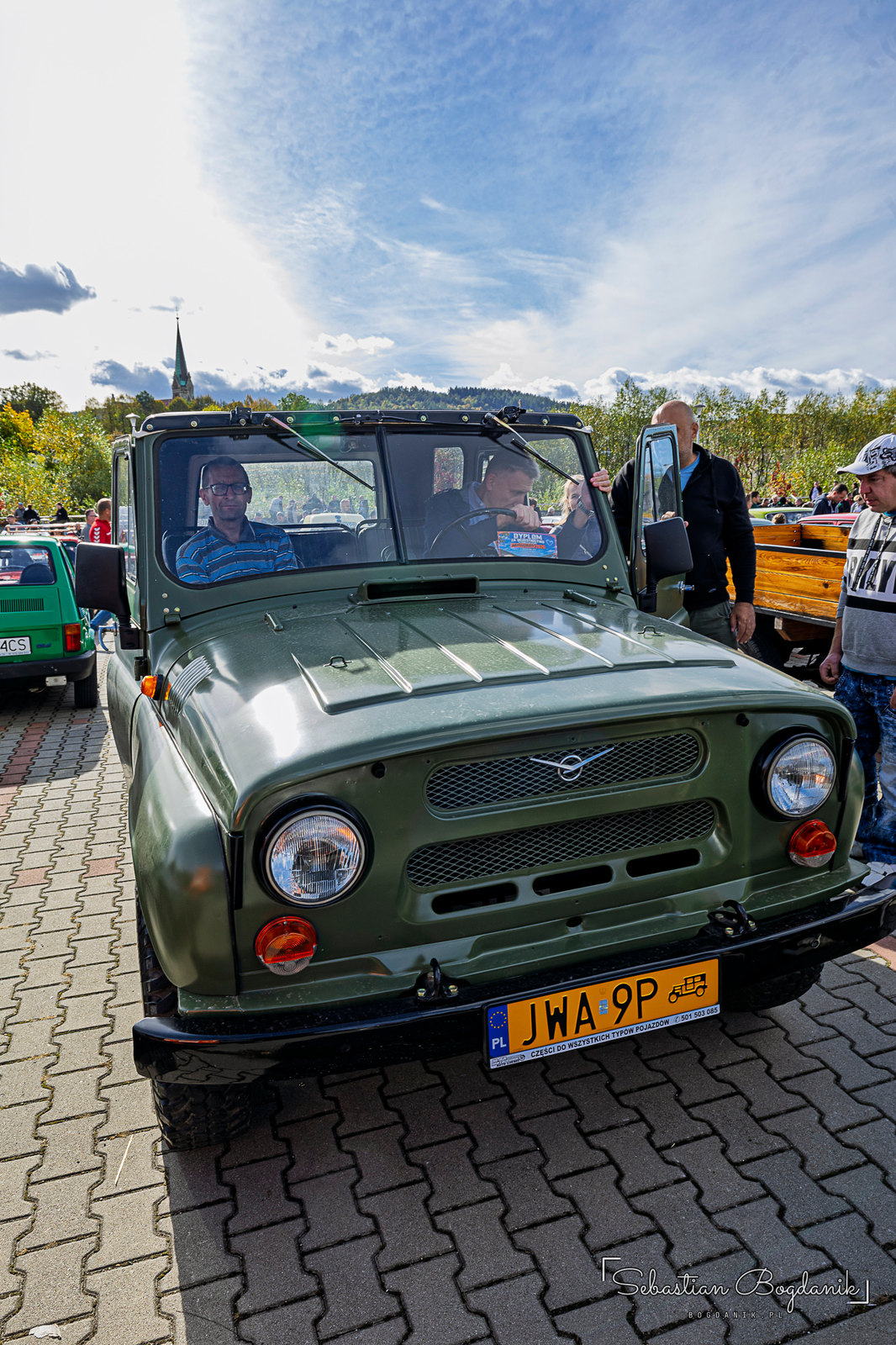
The UAZ-469, the Soviet answer to the Jeep (1/2)
The UAZ-469, the Soviet answer to the Jeep (2/2)
The UAZ-469, the Soviet answer to the Jeep. Russians nicknamed it “the goat,” supposedly for the way it bounces over rough ground. Built since the early 1970s, and its descendants still roll out of the factory in Ulyanovsk today.
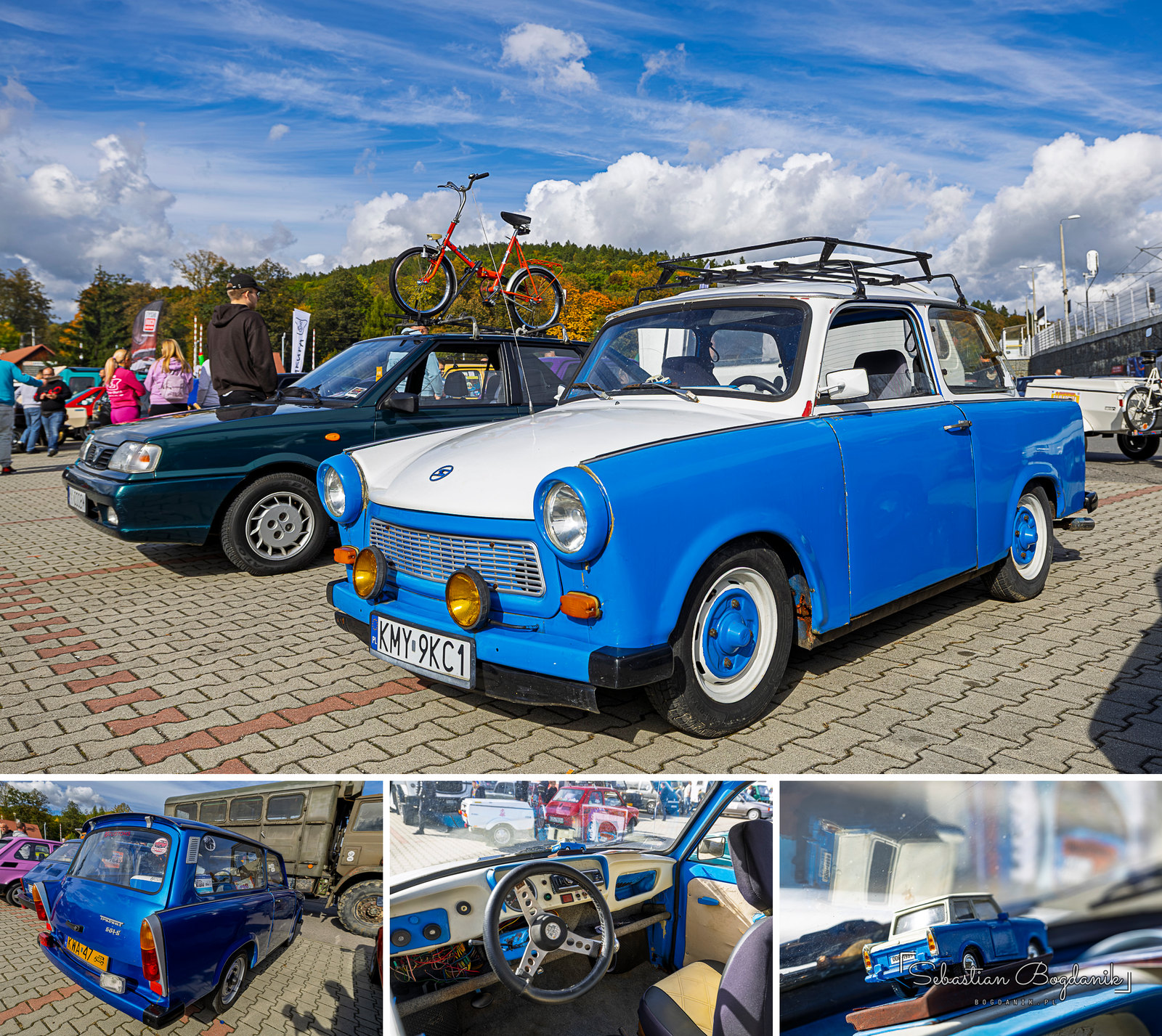
The Trabant, East Germany’s people’s car, four ways: sedan with a bike on the roof, wagon, cabin and a toy model with “DDR-1989” plates
The Trabant, East Germany’s people’s car, four ways: sedan with a bike on the roof, wagon, cabin and a toy model with “DDR-1989” plates. It was named after Sputnik, since “Trabant” is German for satellite. The body was made of Duroplast, a resin reinforced with cotton waste, and East Germans waited years to get one. The model has one advantage: no blue two-stroke smoke.
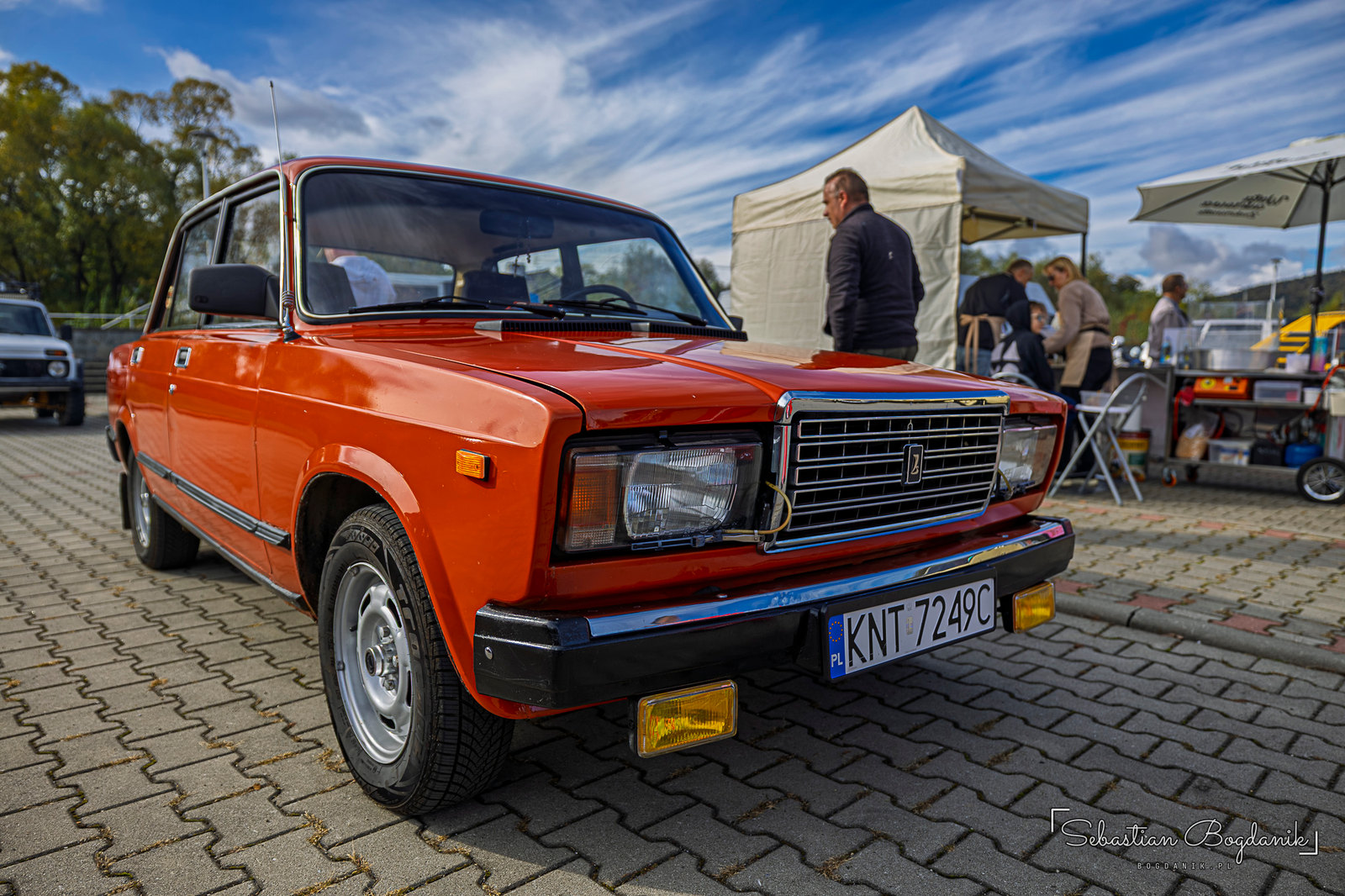
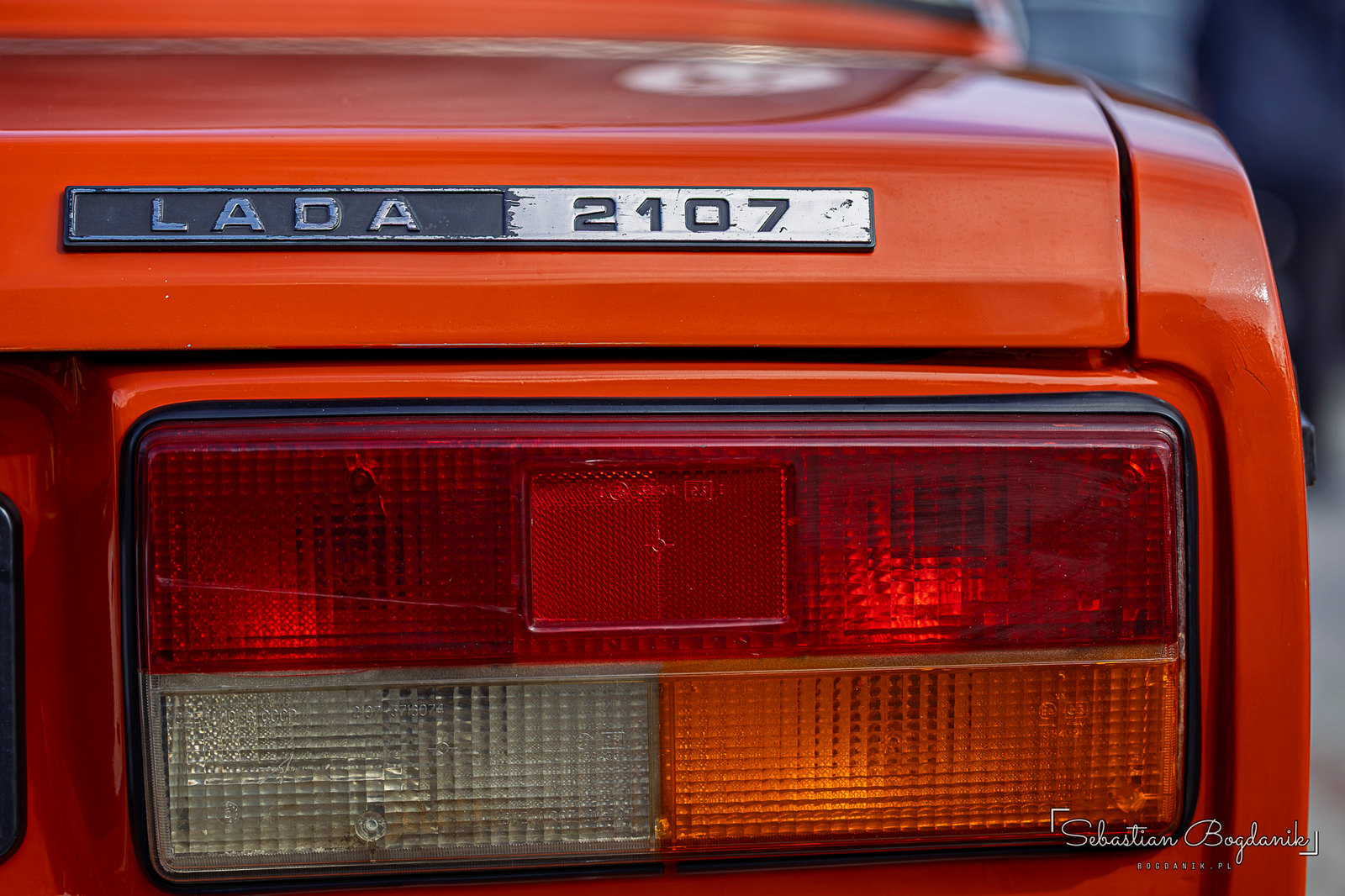
The Lada 2107 (1/2)
The Lada 2107 (2/2)
The Lada 2107. Its family tree is Italian: the very first Lada was a licensed Fiat 124. You will meet its sporty cousin, the Fiat 124 Spider, a couple of pages from now.
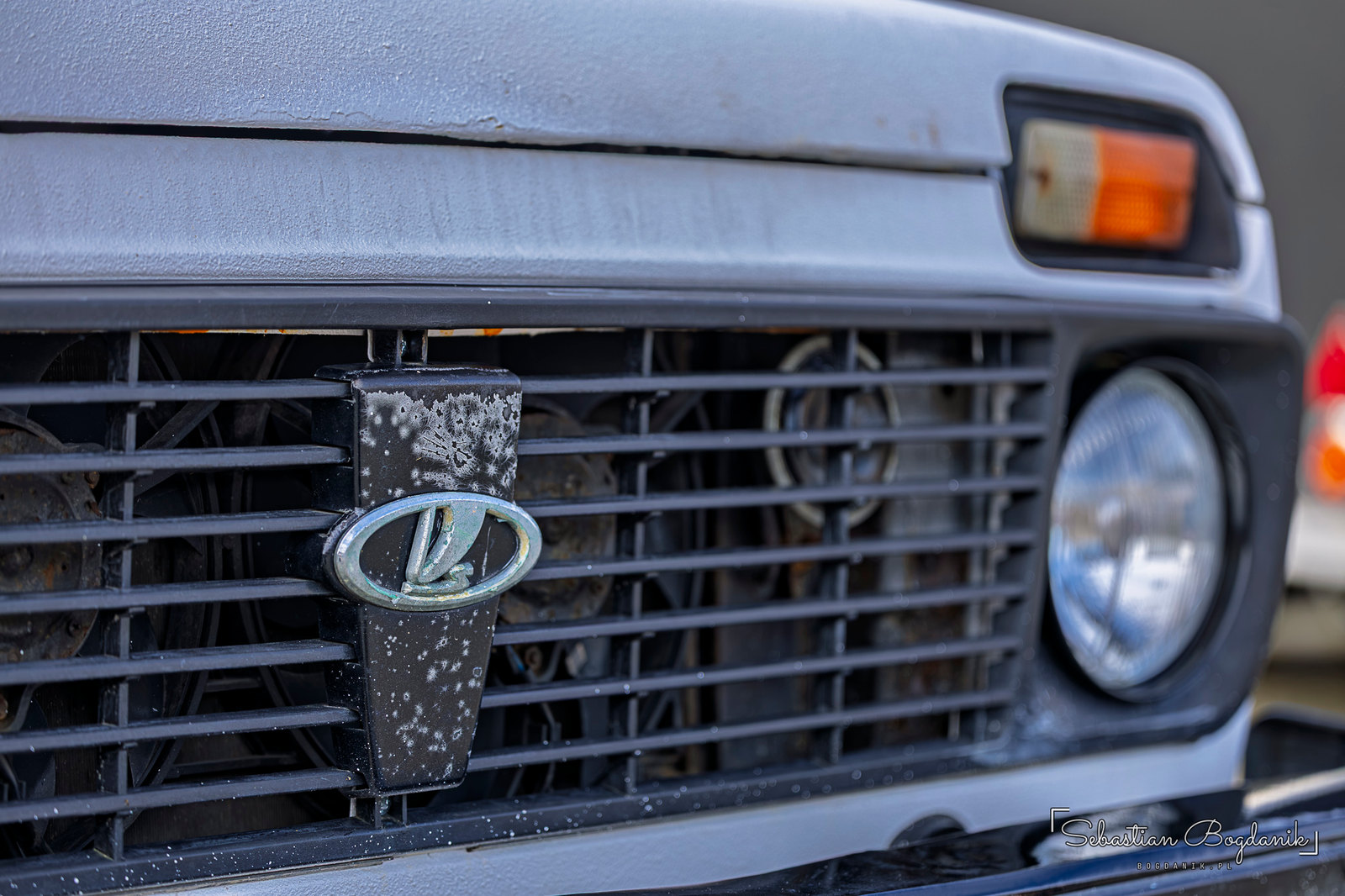
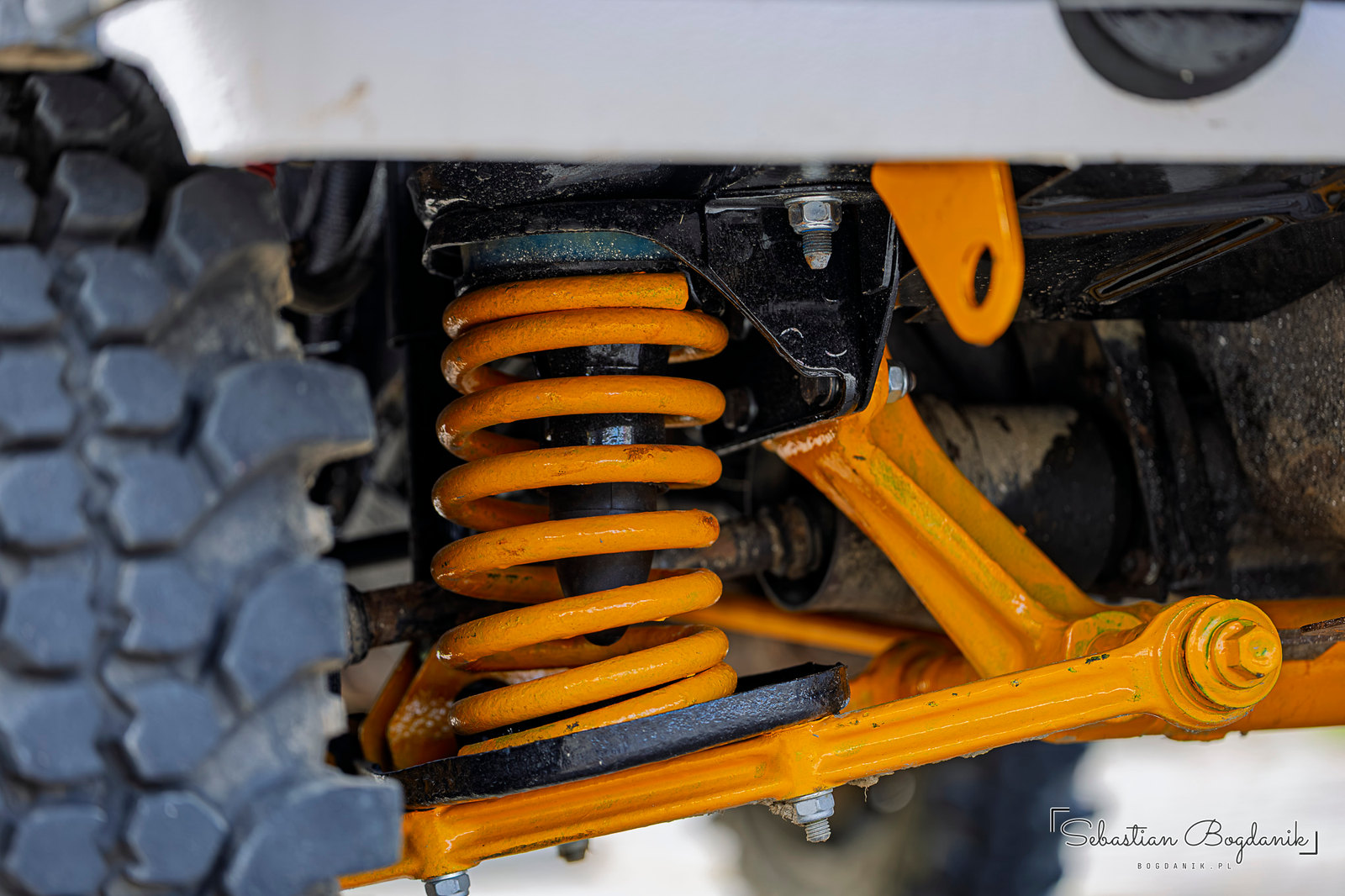
A Lada Niva on lifted suspension with bright yellow springs (1/2)
A Lada Niva on lifted suspension with bright yellow springs (2/2)
A Lada Niva on lifted suspension with bright yellow springs. Launched in 1977, the Niva was one of the first 4x4s with a car-style unibody, years before “crossover” was a word.